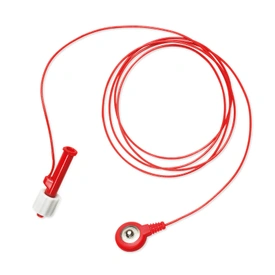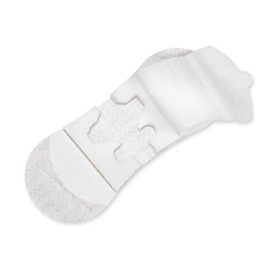
Grip-Lok 3 in 1
Fixierhilfe mit Klettverschluss zur Fixierung peripherer Katheter
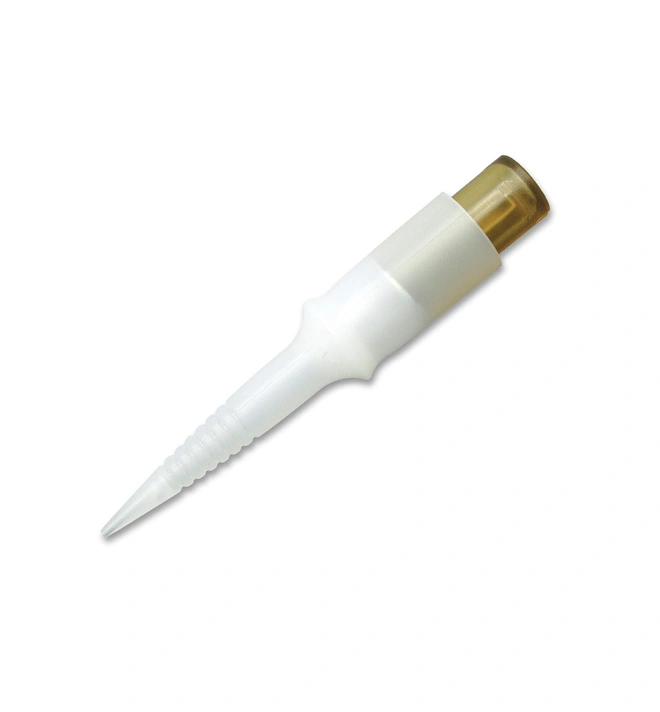
Einzigartige Zusammensetzung (80% 2-Oktyl-CA und 20% n-Butyl-CA) ermöglicht Flexibilität und eine schnelle Trocknung.


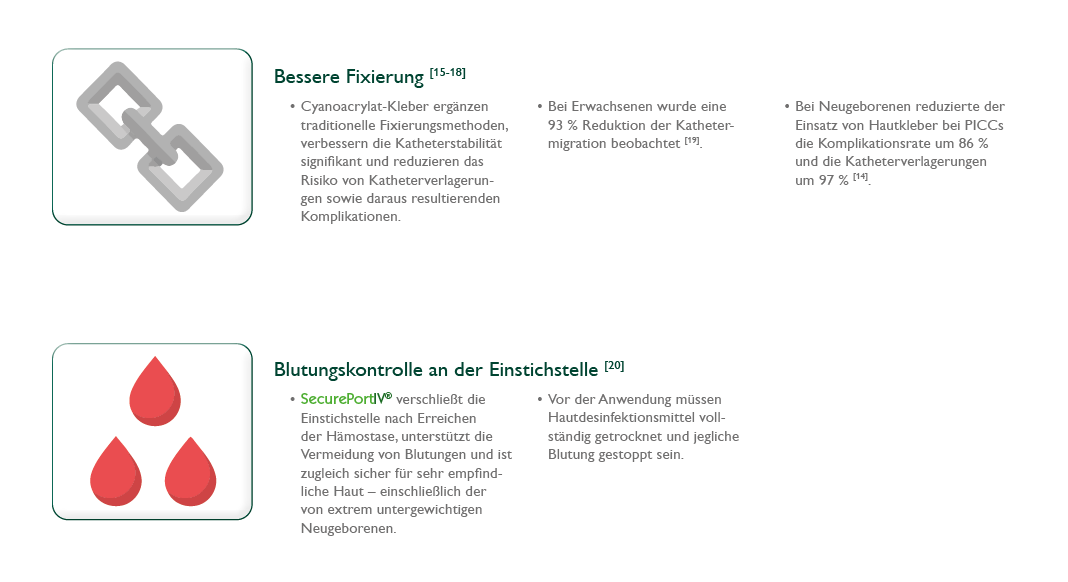
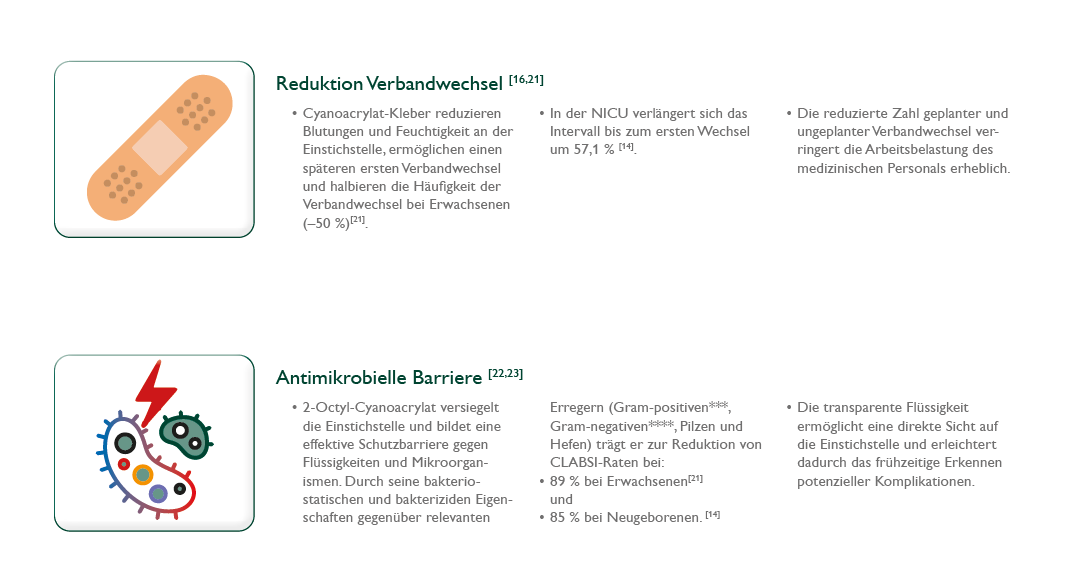

Die Verwendung von Cyanoacrylat-Kleber wird in internationalen Leitlinien empfohlen24-27

Literatur:
[1] iData 2020.
[2] iData 2023 Report - 2025 Estimates.
[3] Carr et al. From insertion to removal: A multicenter survival analysis of an admitted cohort with peripheral intravenous catheters inserted in the emergency department. Infection Control & Hospital Epidemiology (2018)
[4] Anderson et al. Midline Catheters. The Middle Ground of Intravenous Therapy Administration. J Infus Nurs. 2004 Sep-Oct 27(5):313-21.
[5] Maki et al. The Risk of Bloodstream Infection in Adults With Different Intravascular Devices: A Systematic Review of 200 Published Prospective Studies. Mayo Clin Proc. 2006:81(9):1159-1171.
[6] Al Raiy et al. Peripherally inserted central venous catheters in the acute care setting: A safe alternative to high-risk short-term central venous catheters. Am J Infect Control (2010) 38:149-53.
[7] Chopra et al. Bloodstream Infection, Venous Thrombosis, and Peripherally Inserted Central Catheters: Reappraising the Evidence. The American Journal of Medicine (2012) 125, 733-741.
[8] Grau et al. Complications with peripherally inserted central catheters (PICCs) used in hospitalized patients and outpatients: a prospective cohort study. Antimicrobial Resistance and Infection Control (2017) 6:18.
[9] Leroyer et al. Prospective follow-up of complications related to peripherally inserted central catheters. Médecine et maladies infectieuses 43 (2013) 350-355.
[10] Parienti et al. Intravascular Complications of Central Venous Catheterization by Insertion Site. N Engl J Med (2015) 373:1220-9.
[11] Tacconelli et al. Epidemiology, medical outcomes and costs of catheter-related bloodstream infections in intensive care units of four European countries: literature- and registry-based estimates. Journal of Hospital Infection (2009) 72,97-103
[12] Van der Kooi et al. Prevention of hospital infections by intervention and training (PROHIBIT): results of a pan-European cluster-randomized multicentre study to reduce central venous catheterrelated bloodstream infections. Intensive Care Med (2017).
[13] Van Rens MFPT, Bayoumi MAA, van de Hoogen A, Francia ALV, Cabanillas IJ, van Loon FHJ, Spencer TR. The ABBA project (Assess Better Before Access): A retrospective cohort study of neonatal intravascular device outcomes
[14] Fiammetta Piersigilli et al Cyanoacrylate glue as part of a new bundle to decrease neonatal PICC-related complications. European Journal of Pediatrics. 2023.
[15] Rickard et al.A 4-arm randomized controlled pilot trial of innovative solutions for jugular central venous access device securement in 221 cardiac surgical patients. J Crit Care. 2016
[16] Kleidon et al. A pilot randomised controlled trial of novel dressing and securement techniques in 101 pediatric patients. J Vasc Interv Radiol. 2017.
[17] Ullman et al. Innovative dressing and securement of tunneled central venous access devices in pediatrics: a pilot randomized controlled trial. BMC Cancer. 2017.
[18] Fiammetta Piersigilli et al,: How to Minimize Central Line-Associated Bloodstream Infections in a Neonatal Intensive Care Unit: A Quality Improvement Intervention Based on Retrospective Analysis and the Adoption of an Evidence-Based Bundle"
[19] Webber JLR. Maningo-Salinas MJ. "Sticking It to Them"-Reducing Migration of Peripherally Inserted Central Catheters. J Vascular Access. 2020 Spring:25(1):10-15
[20] Zhang et al. Experimental study on the hemostatic effect of cyanoacrylate intended for catheter securement. JVA. 2018.
[21] 2022 National Teaching Institute Evidence-Based Solutions Abstracts. Crit Care Nurse. Apr 1 2022:42(2):e10-236.
[22] Prince et al. Antibacterial effect and proposed mechanism of action of a topical surgical adhesive. AJIC 2017.
[23] Van Rens et al. (2021)
[24] AVATAR Organization
[25] AVA 2021 (Association for Vascular Access)
[26] INS 2024 (Infusion Nursing Society) Standards of Practice
[27] NANN 2022.
| Artikelbezeichnung | Art.-Nr. | PZN | Menge je VE |
|---|---|---|---|
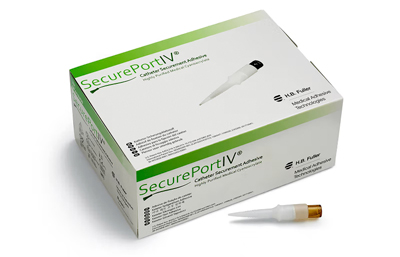
| Secure Port IV Hautkleber | SP-015V50 | 19530491 | 50 |
WSK-10414
Die Verwendung von Cyanoacrylat-Kleber wird in internationalen Leitlinien empfohlen24-27
Literatur:
[1] iData 2020.
[2] iData 2023 Report - 2025 Estimates.
[3] Carr et al. From insertion to removal: A multicenter survival analysis of an admitted cohort with peripheral intravenous catheters inserted in the emergency department. Infection Control & Hospital Epidemiology (2018)
[4] Anderson et al. Midline Catheters. The Middle Ground of Intravenous Therapy Administration. J Infus Nurs. 2004 Sep-Oct 27(5):313-21.
[5] Maki et al. The Risk of Bloodstream Infection in Adults With Different Intravascular Devices: A Systematic Review of 200 Published Prospective Studies. Mayo Clin Proc. 2006:81(9):1159-1171.
[6] Al Raiy et al. Peripherally inserted central venous catheters in the acute care setting: A safe alternative to high-risk short-term central venous catheters. Am J Infect Control (2010) 38:149-53.
[7] Chopra et al. Bloodstream Infection, Venous Thrombosis, and Peripherally Inserted Central Catheters: Reappraising the Evidence. The American Journal of Medicine (2012) 125, 733-741.
[8] Grau et al. Complications with peripherally inserted central catheters (PICCs) used in hospitalized patients and outpatients: a prospective cohort study. Antimicrobial Resistance and Infection Control (2017) 6:18.
[9] Leroyer et al. Prospective follow-up of complications related to peripherally inserted central catheters. Médecine et maladies infectieuses 43 (2013) 350-355.
[10] Parienti et al. Intravascular Complications of Central Venous Catheterization by Insertion Site. N Engl J Med (2015) 373:1220-9.
[11] Tacconelli et al. Epidemiology, medical outcomes and costs of catheter-related bloodstream infections in intensive care units of four European countries: literature- and registry-based estimates. Journal of Hospital Infection (2009) 72,97-103
[12] Van der Kooi et al. Prevention of hospital infections by intervention and training (PROHIBIT): results of a pan-European cluster-randomized multicentre study to reduce central venous catheterrelated bloodstream infections. Intensive Care Med (2017).
[13] Van Rens MFPT, Bayoumi MAA, van de Hoogen A, Francia ALV, Cabanillas IJ, van Loon FHJ, Spencer TR. The ABBA project (Assess Better Before Access): A retrospective cohort study of neonatal intravascular device outcomes
[14] Fiammetta Piersigilli et al Cyanoacrylate glue as part of a new bundle to decrease neonatal PICC-related complications. European Journal of Pediatrics. 2023.
[15] Rickard et al.A 4-arm randomized controlled pilot trial of innovative solutions for jugular central venous access device securement in 221 cardiac surgical patients. J Crit Care. 2016
[16] Kleidon et al. A pilot randomised controlled trial of novel dressing and securement techniques in 101 pediatric patients. J Vasc Interv Radiol. 2017.
[17] Ullman et al. Innovative dressing and securement of tunneled central venous access devices in pediatrics: a pilot randomized controlled trial. BMC Cancer. 2017.
[18] Fiammetta Piersigilli et al,: How to Minimize Central Line-Associated Bloodstream Infections in a Neonatal Intensive Care Unit: A Quality Improvement Intervention Based on Retrospective Analysis and the Adoption of an Evidence-Based Bundle"
[19] Webber JLR. Maningo-Salinas MJ. "Sticking It to Them"-Reducing Migration of Peripherally Inserted Central Catheters. J Vascular Access. 2020 Spring:25(1):10-15
[20] Zhang et al. Experimental study on the hemostatic effect of cyanoacrylate intended for catheter securement. JVA. 2018.
[21] 2022 National Teaching Institute Evidence-Based Solutions Abstracts. Crit Care Nurse. Apr 1 2022:42(2):e10-236.
[22] Prince et al. Antibacterial effect and proposed mechanism of action of a topical surgical adhesive. AJIC 2017.
[23] Van Rens et al. (2021)
[24] AVATAR Organization
[25] AVA 2021 (Association for Vascular Access)
[26] INS 2024 (Infusion Nursing Society) Standards of Practice
[27] NANN 2022.
| Artikelbezeichnung | Art.-Nr. | PZN | Menge je VE |
|---|---|---|---|
| Secure Port IV Hautkleber | SP-015V50 | 19530491 | 50 |